
Why are football transfers so expensive?
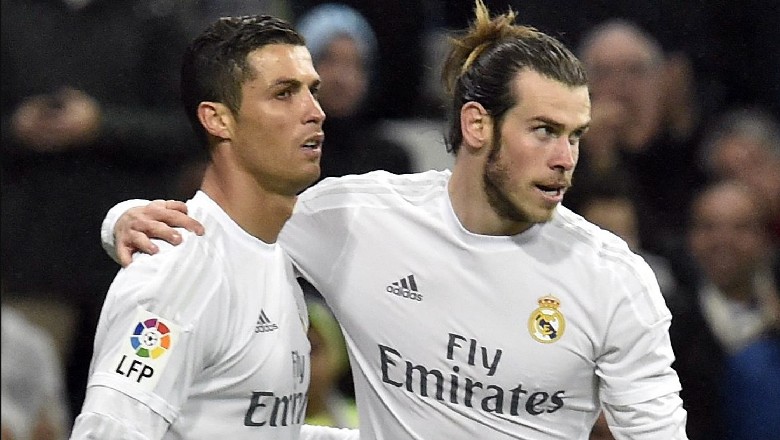
Back in 2009, the footballing world stood still when Cristiano Ronaldo arrived at Real Madrid as the most expensive player on Earth for a fee of £80 million. 5 years later, Los Blancos shattered their own record, paying £90 million to pry Gareth Bale away from Tottenham Hotspur.
These were not just vanity purchases; together, this duo led the club to 4 Champions League titles, proving that every penny spent was an investment in legendary success. However, as time marched on, even these iconic figures were overtaken on the negotiation table.
In recent years, transactions exceeding the £100 million mark have shifted from rare anomalies to frequent occurrences. It is now common for a single summer window to witness 3 or 4 "mega-deals" across the European continent. But, what are clubs actually getting for £100 million today?
While Ronaldo and Bale were finished products and world-beaters, the new era of "centurions", such as Antony, Mykhaylo Mudryk, or Darwin Nunez, suggests that player valuations have become victims of extreme inflation. In many cases, the price tag is inversely proportional to the player's established talent or impact on the pitch.
Rather than being hailed as world-shaking signings, these hundred-million-pound arrivals are often burdened with labels of mockery. Is this the fault of the players themselves, or a symptom of a broken system? Spbolivescore investigates the structural shifts to answer: Why are football transfers so expensive?
Why are football transfers so expensive?
According to recent data from Football Benchmark and FIFA, the average value of the top 100 players globally has climbed from €78 million in 2019 to a staggering €87 million by June 2025. This rise is not accidental, it is the result of a perfectly tuned financial machine.
In 2016, the Premier League’s 3-year television deal reached a historic £10.4 billion, meaning broadcasters were paying upwards of £10 million just to screen a single match. This influx of "TV money" has trickled down, inflating the baseline for every player's price tag.
Furthermore, the 20 richest clubs in the world now generate combined revenues exceeding €7.4 billion annually. When clubs like Manchester United or Real Madrid see Commercial and Matchday revenues skyrocket, the "premium" they are expected to pay for talent rises accordingly.
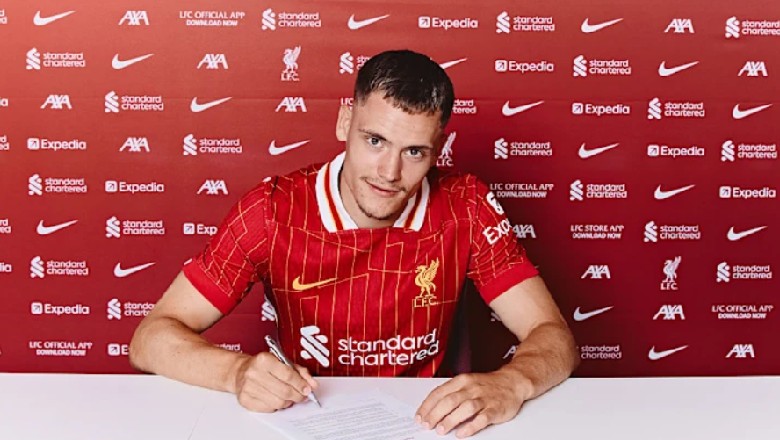
One major reason for these soaring costs is the closer alignment between transfer fees and a club’s total revenue. While a £100 million fee seems astronomical, for a club like Liverpool, which reported revenues of €715 million in 2024, a €125 million move for a star like Florian Wirtz represents only about 17% of their annual turnover. In contrast, the Galáctico signings of the early 2000s often accounted for over 50% of a club's revenue. This means that while the numbers are bigger, the elite clubs are actually operating with more strategic discipline and "revenue-aligned" investment than in the past.
Additionally, the shift toward data-driven scouting has led clubs to view players as long-term assets. Valuations are now heavily tied to contract length and future resale potential rather than just current form. This "asset-management" approach means clubs are willing to pay a premium for younger players who might stay for a decade, further driving up the average price for even unproven talent.
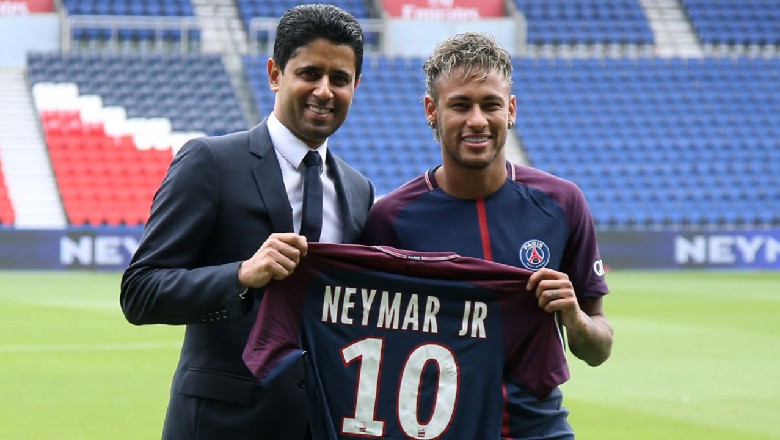
Another critical factor is the role of the "Super Agent" and the complex nature of modern contracts. The infamous 2017 transfer of Neymar Jr from Barcelona to Paris Saint-Germain for €222 million acted as a "Big Bang" for the market. It didn't just break the record; it doubled it.
This move recalibrated expectations across the entire football ecosystem. Suddenly, every selling club believed their star winger was worth at least €100 million. This "Neymar Effect" also complicated the payout structure. In many modern deals, the headline fee is only part of the story.
Agents and intermediaries now command massive facilitation fees, sometimes exceeding €30 million per deal, while players demand intricate image rights agreements and loyalty bonuses. When these hidden costs are factored in, the total investment for a club often doubles the official transfer price.
Moreover, regulatory pressures and the concentration of talent have created a "bidding war" environment. UEFA’s Financial Sustainability Regulations have forced clubs to be smarter, but the scarcity of "elite" talent has had the opposite effect on prices.
Since top-tier players are concentrated within a handful of ultra-wealthy clubs, any available star becomes the subject of intense competition. This scarcity drives up the "market price" far beyond the "fair value." For example, Declan Rice’s move to Arsenal carried a 21% premium over his estimated market value because of his importance as a homegrown leader.
The drivers behind record spending:
Explosive broadcast revenue: Multi-billion dollar TV deals provide clubs with a massive "war chest" every summer.
The Neymar effect: The €222 million PSG move reset global price expectations and normalized the €100 million fee.
Asset-based valuation: Clubs pay for "future value" and long-term potential, leading to high fees for young, unproven players.
Concentration of wealth: A small group of elite clubs compete for a limited pool of talent, creating artificial scarcity.
Commercial synergy: High fees are justified by the potential for shirt sales, global branding, and increased social media presence.
Agent and intermediary influence: Hidden costs and facilitation fees add significant weight to the final price tag.
The move of Neymar to PSG 9 years ago did more than just change the history of Barcelona, it fundamentally altered the DNA of the European transfer market. It is arguably the single most important factor in explaining why are football transfers so expensive? as documented by Spbolivescore.net.
Paradoxically, while that deal inflated the market, Neymar also became an "unintentional benefactor" for the next generation. Because the price ceiling was shattered, young talents now have the opportunity to become "historic" figures in the record books before they even reach their prime.
Beyond our in-depth analysis, we are confident in providing you with the highest quality experience, featuring diverse, rapid, and up-to-date statistics for every match on the planet. Whether you are looking for objective, multi-dimensional perspectives before and after the final whistle or the latest breaking news and schedules from the world's top leagues, Spbolivescore have it all.
The Most Popular
-
 Why do goalkeepers wear different colors?
 -
 Netherlands football kit history: The 5 most iconic shirts ever made
 -
 Who scored the first goal at Old Trafford?
 -
 Who is better: Haaland or Mbappé?
 -
 Dani Olmo's position at Barcelona explained: Flick’s most flexible player
 -
 All Cristiano Ronaldo's jersey numbers revealed: How CR7 was born
 -
 England national football team squad for the 2026 World Cup: Could Foden and Palmer be left out?
 -
 Why did David Beckham retire?
 -
 How much did Arsenal buy Kai Havertz?
 -
 How much did Bayern Munich pay for Harry Kane?