
Who is the best football manager of all time? Top 5 most successful in history
Everyone has a different definition of a great coach. This list evaluates managers based on achievements, tactical contributions, and influence on modern football. This article from spbolivescore.net highlights the best football manager of all time, along with five others who are closest to that status. This is a personal assessment and is not a ranking.
Who is the best football manager of all time?
According to many widely accepted evaluations, Sir Alex Ferguson is considered the greatest manager in football history. Almost his entire managerial career was spent at Manchester United, where he achieved his greatest successes. During 27 years in charge, from 1986 to 2013, he won a total of 49 trophies, the most by any manager in history. These included 13 Premier League titles, 2 UEFA Champions League titles, 5 FA Cups, and many other honors with Manchester United.
Sir Alex Ferguson was not a tactical revolutionary who introduced new formations or systems. Instead, his greatest strength lay in his exceptional man-management. He maintained strict control of the dressing room while still earning the respect and loyalty of his players.
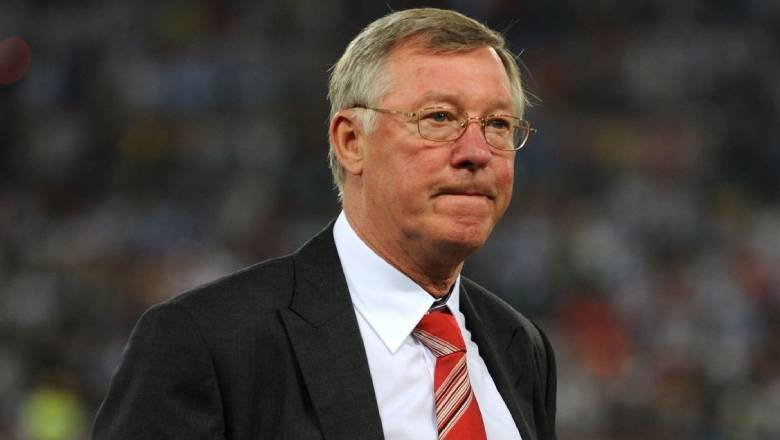
Although highly respected, Sir Alex did not hesitate to remove players who challenged his authority, such as David Beckham and Roy Keane. At the same time, he consistently trusted young talent, most notably the “Class of ’92,” and played a crucial role in developing Cristiano Ronaldo into a world-class player. Based on both his achievements and long-term influence, Sir Alex Ferguson fully deserves to be regarded as the greatest manager in football history.
Top 5 best managers of all time
The first name on this list is Rinus Michels. The Dutch coach revolutionized modern football and was named “Coach of the Century” by FIFA in 1999. Michels achieved success in every aspect: trophies, influence, and tactical innovation. He is widely regarded as the father of “Total Football,” a philosophy in which players are not restricted to fixed positions.
In this system, defenders could attack, forwards could defend, and any vacant space was immediately filled by another player. These ideas laid the foundation for modern football as it is played today. In terms of achievements, Michels transformed Ajax from a struggling team into the dominant force in Europe, led the Netherlands to major international success, and most importantly, discovered Johan Cruyff.
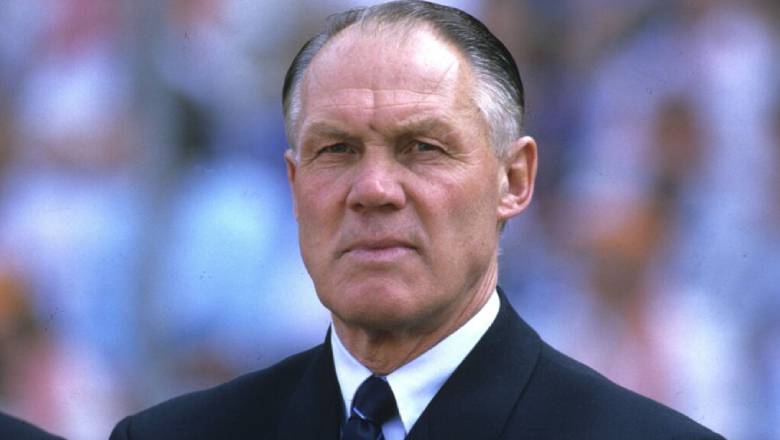
Johan Cruyff was the perfect successor to Michels’ legacy and fully deserves his place among the greatest coaches in history. Like Michels, he moved from Ajax to Barcelona and left a lasting impact. Cruyff’s greatest contribution was ideological rather than purely tactical. He refined Total Football by emphasizing space, movement, and individual creativity within a structured system.
Cruyff introduced a simple but influential philosophy: when in possession, stretch the opposition; when out of possession, press immediately to regain the ball. These principles remain central to modern pressing systems. He also played a key role in redefining the goalkeeper’s role, turning it into a “sweeper-keeper” who participates in build-up play.
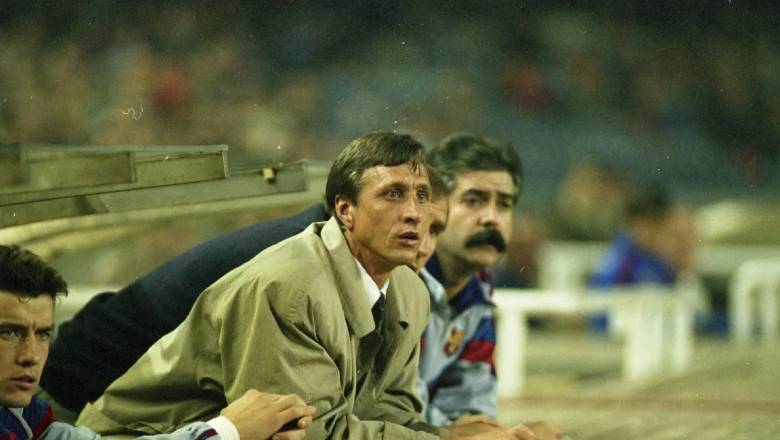
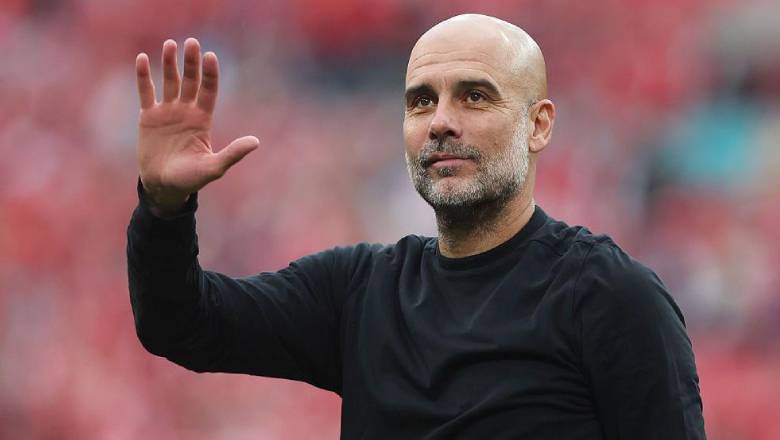
Cruyff’s ideas later became the foundation for one of his most famous player, Pep Guardiola. When Guardiola first took charge of Barcelona, he refined Cruyff’s philosophy into what became known as “tiki-taka,” a style based on possession and short passing. He also transformed Lionel Messi’s role by using him as a false nine, creating fluid movement and constant problems for defenders.
Later at Manchester City, Guardiola introduced further tactical innovations, such as the inverted full-back and the attacking center-back. Examples include players like Philipp Lahm, João Cancelo, and John Stones. In terms of trophies, Guardiola stands alongside the greatest, becoming the first manager to win the treble with two different clubs. He remains in charge of Manchester City and continues to expand his legacy.
The final name on this list is Carlo Ancelotti, a coach with no direct connection to either Barcelona or Manchester United. A former AC Milan player alongside legends such as Marco van Basten and Ruud Gullit, Ancelotti enjoyed even greater success as a manager. In terms of major trophies, he is the most successful coach among this group.
Ancelotti is the only manager in football history to have won league titles in all five of Europe’s top leagues. He also holds the record for the most Champions League titles as a coach, with five victories: two with AC Milan (2002/03, 2006/07) and three with Real Madrid (2013/14, 2021/22, 2023/24).
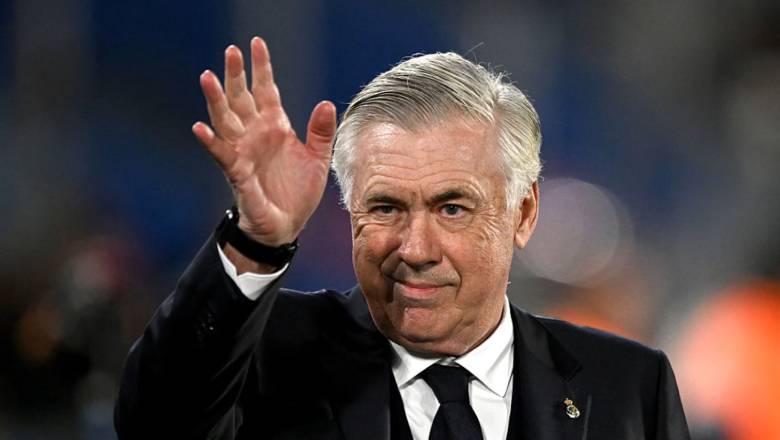
Unlike the three coaches above, Ancelotti is known for his adaptability. He makes small but highly effective adjustments, such as redefining Andrea Pirlo as a deep-lying playmaker or moving Vinícius Júnior into a more central attacking role. Above all, Ancelotti is an outstanding man-manager. Worked with squad like AC Milan and Real Madrid, he knows how to manage big personalities and unite them toward a common goal. This ability is one of the main reasons he belongs on this list.
SPBO Live Score has just reviewed the best football manager of all time. To stay updated with fast and reliable football predictions, follow our page.
The Most Popular
-
 Why do goalkeepers wear different colors?
 -
 Netherlands football kit history: The 5 most iconic shirts ever made
 -
 Who scored the first goal at Old Trafford?
 -
 Who is better: Haaland or Mbappé?
 -
 Dani Olmo's position at Barcelona explained: Flick’s most flexible player
 -
 All Cristiano Ronaldo's jersey numbers revealed: How CR7 was born
 -
 England national football team squad for the 2026 World Cup: Could Foden and Palmer be left out?
 -
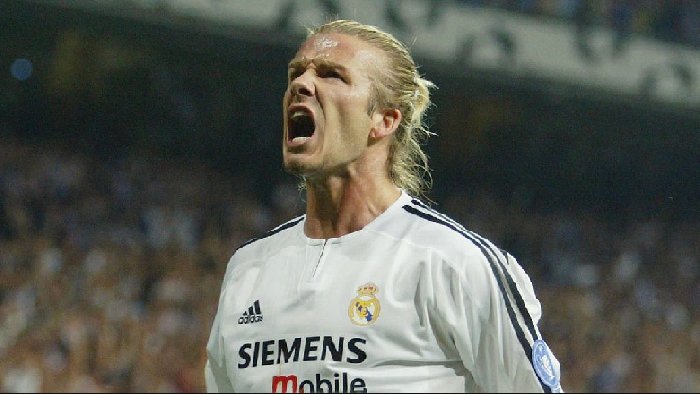 Why did David Beckham retire?
 -
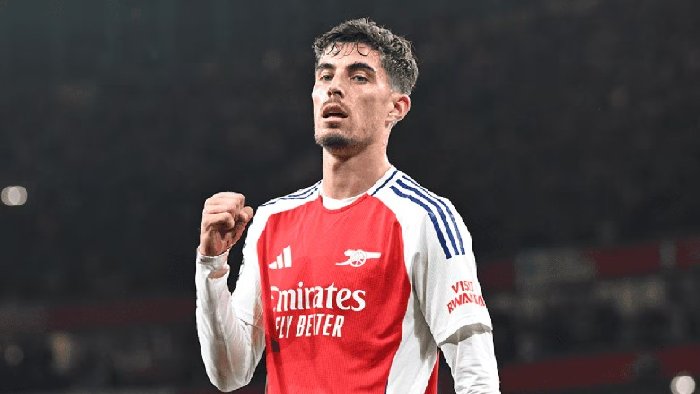 How much did Arsenal buy Kai Havertz?
 -
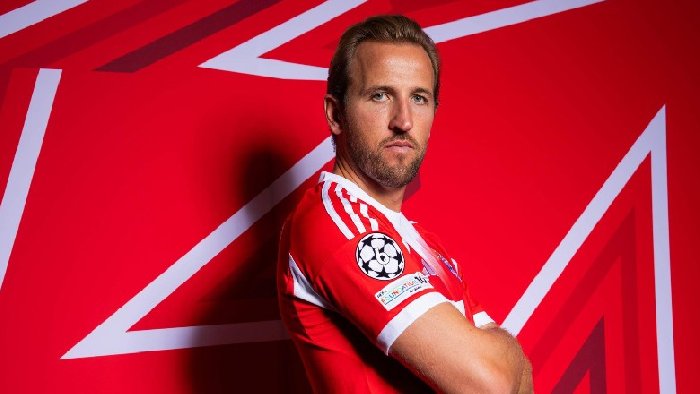 How much did Bayern Munich pay for Harry Kane?