
Who founded Chelsea football club?
While the slogan "The Pride of London" is now confidently displayed across the stands of Stamford Bridge, Chelsea is perhaps the club that endured the longest and most arduous periods of struggle in the English capital.
For much of its history, the club was known more for its "fashionable" status than its trophy cabinet. It wasn't until this century, following the takeover under the oil empire of Russian billionaire Roman Abramovich, that the Blues truly found the light to become the vanguard for London in both the Premier League and European competitions.
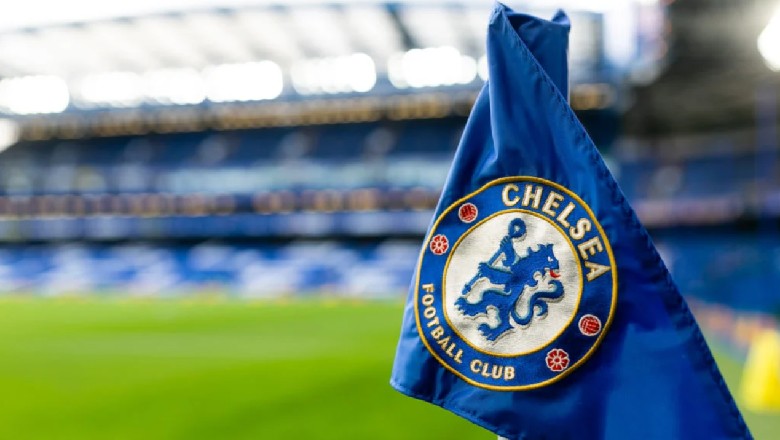
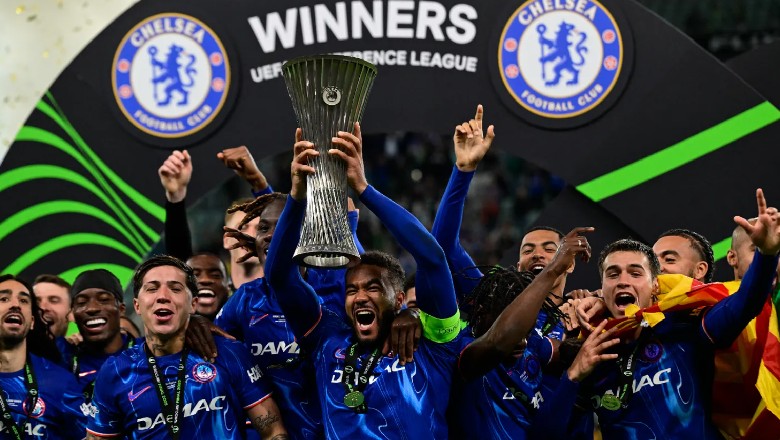
Gradually, the royal blue began to overshadow the historical dominance of Arsenal’s red at the cathedrals of world football. Following last season’s triumph in the Conference League, Chelsea made history as the first European club to complete the full collection of major continental trophies.
No matter which owner sits in the boardroom, the club has stood firm on its own 2 feet, projecting a unique identity and value. However, regardless of modern success, the current custodians can never forget the individuals who first laid the foundation. They may no longer be present in the stands, but their influence lingers in every victory.
This article by Spbolivescore will answer the mystery: Who founded Chelsea football club?
Who founded Chelsea football club?
In the early 1900s, a wealthy businessman and enthusiast named Henry Augustus ‘Gus’ Mears, along with his brother Joseph Mears, acquired the Stamford Bridge athletics grounds with the intention of turning it into the finest football arena in London.
Originally, Gus Mears offered the site to the existing Fulham Football Club, but they rejected the offer due to a disagreement over rent. Undeterred and possessing a stubborn, ambitious spirit, Mears decided to do the unthinkable: he would start his own club from scratch to fill his stadium.
Consequently, on the evening of March 10, 1905, in an upstairs room of the Rising Sun pub (now known as the Butcher’s Hook), Chelsea Football Club was officially formed. The founding directors included the Mears brothers, their brother-in-law Henry Boyer, and the publican Alfred Janes. Gus Mears was a man of immense vision, he didn't just want a team, he wanted a spectacle.
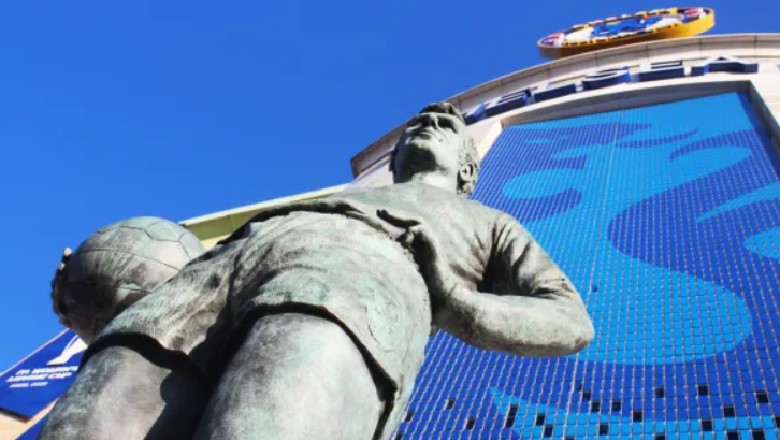
Because the club was born out of a desire to utilize a massive stadium, the first squad had to be equally "huge" in reputation. The recruitment drive was led by John Tait ‘Jacky’ Robertson, the club’s first-ever manager. Robertson was a remarkable figure, a 28-year-old Scottish international half-back who served as a player-manager.
He was a man of "Scottish iron" who had to juggle playing for Glasgow Rangers while simultaneously signing players for a club 350 miles south that didn't even have a league to play in yet.
He recruited stars like the 22-stone goalkeeper Willie "Fatty" Foulke from Sheffield United, a man whose sheer size and personality made him the game's first true celebrity. The team was initially nicknamed "The Pensioners" due to the club’s proximity to the Royal Hospital Chelsea, home to army veterans.
From the outset, the club was based at Stamford Bridge on Fulham Road, a residence they have never left in over 120 years.
The club’s identity was meticulously crafted to reflect its surroundings. Chelsea chose Eton Blue for their original jerseys, a lighter, paler shade of blue than the current royal blue. This color was adopted from the horse racing silks of the club President, Lord Cadogan. The first logo featured a seated Chelsea Pensioner, emphasizing the local connection.
Over the decades, however, the club’s aesthetic evolved alongside its ambition. In the 1950s, under manager Ted Drake, the "Pensioner" image was replaced by the "Blue Lion Carrant," reflecting a more aggressive and modern sporting identity. This lion, clutching a staff, remains the core of the logo today, symbolizing the Earls of Cadogan who were vital to the club’s early life.
Chronologically, Chelsea’s rise has been a series of seismic shifts. After winning their first league title in 1955, they became a symbol of "Swinging London" in the 60s and 70s, fashionable and star-studded but often inconsistent. The 1980s brought financial ruin and the threat of losing Stamford Bridge to property developers, yet the club survived through the tenacity of Ken Bates.
The true transformation occurred in 2003 with the arrival of Roman Abramovich. His investment redefined English football, introducing a "winning at all costs" philosophy that yielded 5 Premier League titles, 2 Champions Leagues, and 2 Europa Leagues. The management style became a revolving door of elite tacticians, from Jose Mourinho’s defensive pragmatism to Thomas Tuchel’s tactical fluidity.
Records tumbled, including the fewest goals conceded in a Premier League season (15 in 2004/05). Even after the transition to the Todd Boehly-Clearlake Capital era, the club continues to break world records in transfer spending, maintaining the "wealthy and ambitious" personality established by Gus Mears in 1905.
A summary of Chelsea FC’s historic milestones:
1905: Founded at the Rising Sun pub by Gus Mears.
1905: Debut at Stamford Bridge with a 4-0 win over Liverpool.
1955: Ted Drake leads Chelsea to their first-ever First Division league title.
1970/1971: First European success, winning the European Cup Winners' Cup.
2003: Roman Abramovich purchases the club, ushering in the "Golden Era."
2012: Chelsea becomes the first London club to win the UEFA Champions League.
2021: Second Champions League title secured in Porto.
2025: Completes the "Full House" of European trophies by winning the Conference League.
In conclusion, Spbolivescore.net has journeyed back into the past to answer the question: Who founded Chelsea football club? Rising from hardship and uncertainty, the blue color still flies high and proud over London, England, and across Europe after more than 120 years. This ascent has been a journey paved with sweat, tears, indomitable will, and a pure love for the blue shirt.
For fans who demand more than just the results, our homepage offers a deep dive into the heart of the sport. We provide a unique blend of breaking news, objective tactical analysis, and specialized statistics. Experience a new standard of football reporting where every insight is crafted to give you a competitive edge as a fan.
The Most Popular
-
 Why do goalkeepers wear different colors?
 -
 Netherlands football kit history: The 5 most iconic shirts ever made
 -
 Who scored the first goal at Old Trafford?
 -
 Who is better: Haaland or Mbappé?
 -
 Dani Olmo's position at Barcelona explained: Flick’s most flexible player
 -
 All Cristiano Ronaldo's jersey numbers revealed: How CR7 was born
 -
 England national football team squad for the 2026 World Cup: Could Foden and Palmer be left out?
 -
 Why did David Beckham retire?
 -
 How much did Arsenal buy Kai Havertz?
 -
 How much did Bayern Munich pay for Harry Kane?