
What is the biggest stadium in Southeast Asia? Top 10 largest venues ranked
For decades, Southeast Asia has often been dismissed as the "low-lying area" of world football. To date, Indonesia remains the only nation from the region to have graced the FIFA World Cup stage. However, that appearance occurred 88 years ago in 1938, a time when the country was still under Dutch colonial rule as the Dutch East Indies. That particular tournament was also marked by the absence of many football powerhouses due to global political instability. Since then, the region’s crowning achievements have largely been limited to reaching the second or third rounds of World Cup Asian qualifiers.
Yet, while professional achievements on the pitch may lag behind Europe or South America, the economic powerhouses of the region, particularly Indonesia and Malaysia, tell a different story through their infrastructure. Southeast Asians possess an unparalleled passion for the beautiful game, transforming their stadiums into literal "pressure cookers" with electric atmospheres.
Spbolivescore is proud to reveal that the region is home to some of the most breathtaking architectural marvels in sports. From the ultra-modern designs in Jakarta to the historic stands in Kuala Lumpur, the scale of these arenas proves that when it comes to the biggest stadium in Southeast Asia, the region can stand toe-to-toe with any continent.
Ranking the biggest stadium in Southeast Asia
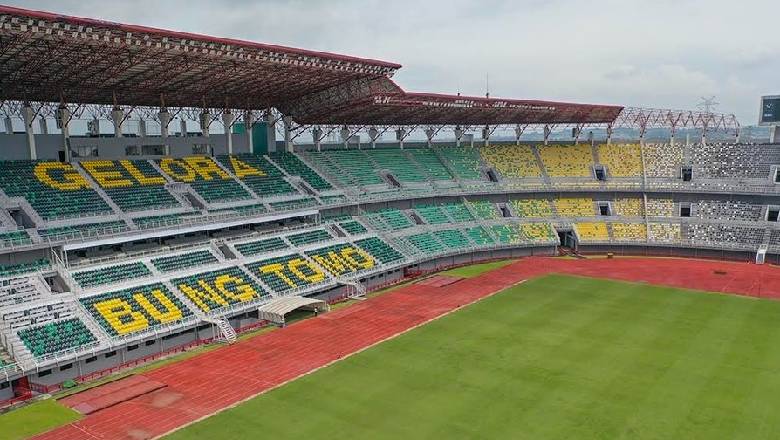
10. Stadion Gelora Bung Tomo - 46,806 seats
Opened in 2010 as part of the Surabaya Sport Center, this stadium has a capacity of 46,806 seats. It serves as the fortress for Persebaya Surabaya, one of Indonesia's most storied clubs. The stadium underwent significant renovations in 2020 to meet FIFA standards for the U-20 World Cup, including upgrades to lighting and seating. Its bowl-shaped structure is famous for the deafening chants of the "Bonek" fans, creating an intimidating environment for any visiting team.
9. Rajamangala National Stadium - 49,722 seats
Completed in 1998 for the Asian Games, it is the primary home of the Thai national team with a capacity of 49,722. While its capacity is modest compared to its Malaysian neighbors, its prestige is unmatched in Thailand. It has hosted the AFC Asian Cup and countless AFF Cup finals. Experts praise its iconic curved stands, though it has seen several face-lifts to maintain its aging structure, costing millions of dollars over the years to ensure it remains Thailand’s premier sporting venue.
8. Sultan Mizan Zainal Abidin Stadium - 55,000 seats
Eighth place is held by the Sultan Mizan Zainal Abidin Stadium in Kuala Terengganu, Malaysia. Opened in 2008, it is the home of Terengganu FC. This stadium is noted for its modern, pillarless roof design. However, it faced a major setback when the roof collapsed in 2009 due to structural failures. A massive repair and upgrade project followed, costing over 15 million USD to restore it to its current glory.
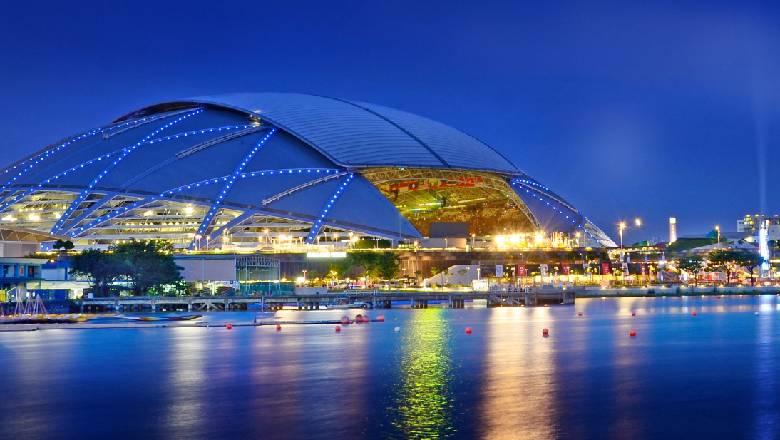
7. Singapore National Stadium - 55,000 seats
Sharing the 55,000-capacity mark is the Singapore National Stadium. Located in Kallang and opened in 2014 as the centerpiece of the Singapore Sports Hub, it cost approximately 1.3 billion USD. It features the world’s largest retractable dome roof and a highly flexible "vibrant" seating configuration, making it a masterpiece of modern comfort. Unlike traditional concrete bowls, this stadium is a high-tech multi-purpose marvel that has hosted the International Champions Cup and major concerts by global superstars like Taylor Swift.
6. Morodok Techo National Stadium - 60,000 seats
A gift from China and completed in 2021 for the 2023 SEA Games, this 60,000-seat arena cost about 160 million USD. Its design is inspired by a sailing ship, symbolizing the long-standing relationship between the 2 nations. This stadium represents Cambodia's rising ambition on the international stage, offering state-of-the-art facilities that rival the best in Asia.
5. Phnom Penh National Olympic Stadium - 70,000 seats
Despite its name, it has never hosted an Olympic Games. Built in 1964 and designed by the legendary Vann Molyvann, it has a staggering capacity of 70,000. It is a historic landmark of "New Khmer Architecture." While it lacks the high-tech luxury of Singapore’s stadium, its sheer scale and historical importance in Cambodian society are undeniable.
4. Gelora Bung Karno Main Stadium (GBK) - 77,193 seats
Originally opened in 1962 with a capacity of over 100,000, subsequent renovations for the 2018 Asian Games reduced its capacity to 77,193 to install individual seats. GBK is the spiritual home of Indonesian football. It is famous for its "Temu Gelang" (joined ring) roof. It has hosted legendary matches, including the 2007 AFC Asian Cup final.
3. Shah Alam Stadium - 80,372 seats
Opened in 1994, it was once the largest stadium in the country before Bukit Jalil was built. Its frame consists of the longest semi-extensible arcs in the world. For years, it was the home of Selangor FC. Unfortunately, due to severe structural decay and safety concerns, the stadium is currently undergoing a total redevelopment plan, which is expected to cost hundreds of millions of ringgit to transform it into a state-of-the-art sporting complex by 2026.
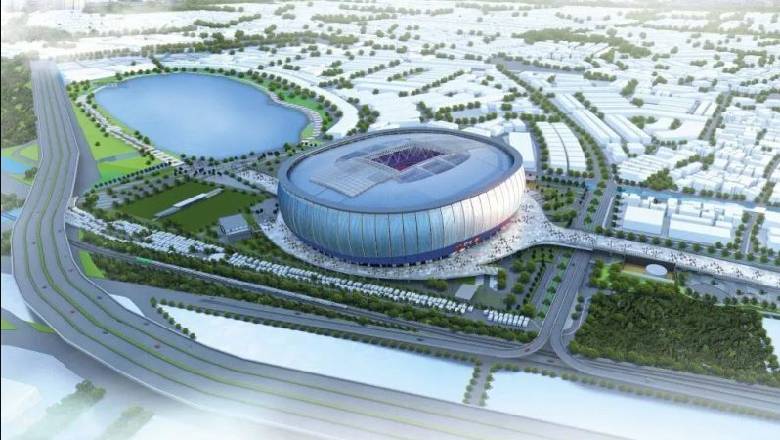
2. Jakarta International Stadium (JIS) - 82,000 seats
Completed in 2022, JIS is the largest stadium in Asia with a retractable roof. Unlike GBK, JIS is a football-specific stadium, meaning there is no running track, bringing fans closer to the action. It features eco-friendly "platinum" certified construction and cost nearly 312 million USD. It has quickly become a landmark of modern Jakarta, blending high-tech luxury with massive capacity.
1. Bukit Jalil National Stadium - 87,411 seats
Standing as the biggest stadium in Southeast Asia, Bukit Jalil has a capacity of 87,411 seats. Opened on July 11, 1998, for the Commonwealth Games, it is a true colossus of world football, consistently ranked in the global top ten by size. It serves as the fortress for the "Harimau Malaya" (Malaysian National Team).
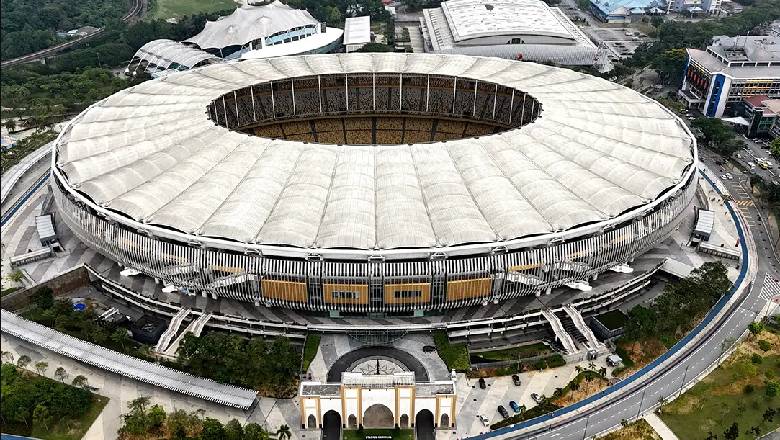
The stadium underwent a massive renovation in 2017 for the SEA Games, winning the "Stadium of the Year" award at the World Stadium Congress. Its sheer scale, combined with its iconic vertical ribs and vibrant lighting, makes it the ultimate cathedral of football in the region.
List of the top 10 largest stadiums in Southeast Asia:
Bukit Jalil National Stadium (Malaysia) - 87,411
Jakarta International Stadium (Indonesia) - 82,000
Shah Alam Stadium (Malaysia) - 80,372
Gelora Bung Karno Main Stadium (Indonesia) - 77,193
Phnom Penh National Olympic Stadium (Cambodia) - 70,000
Morodok Techo National Stadium (Cambodia) - 60,000
Singapore National Stadium (Singapore) - 55,000
Sultan Mizan Zainal Abidin Stadium (Malaysia) - 55,000
Rajamangala National Stadium (Thailand) - 49,722
Stadion Gelora Bung Tomo (Indonesia) - 46,806
However, the current rankings on Spbolivescore.net may soon face a revolutionary shift. Vietnam, a powerhouse with three AFF Cup titles, is not content with staying off this list. There is a massive proposed project known as the Trong Dong Stadium. This ambitious "super-project" is rumored to have a planned capacity of 135,000 seats. If completed, it would not only become the biggest stadium in Southeast Asia but also the largest football stadium on the entire planet.
If you enjoy detailed statistics and deep dives into the world of football, Spbolivescore is your ultimate destination. Beyond historical numbers, we provide the latest breaking news on players, clubs, and the world’s most watched leagues. Our team of objective and highly skilled experts is dedicated to bringing you fresh and fascinating perspectives before and after every top-tier match.
The Most Popular
-
 Why do goalkeepers wear different colors?
 -
 Netherlands football kit history: The 5 most iconic shirts ever made
 -
 Who scored the first goal at Old Trafford?
 -
 Who is better: Haaland or Mbappé?
 -
 Dani Olmo's position at Barcelona explained: Flick’s most flexible player
 -
 All Cristiano Ronaldo's jersey numbers revealed: How CR7 was born
 -
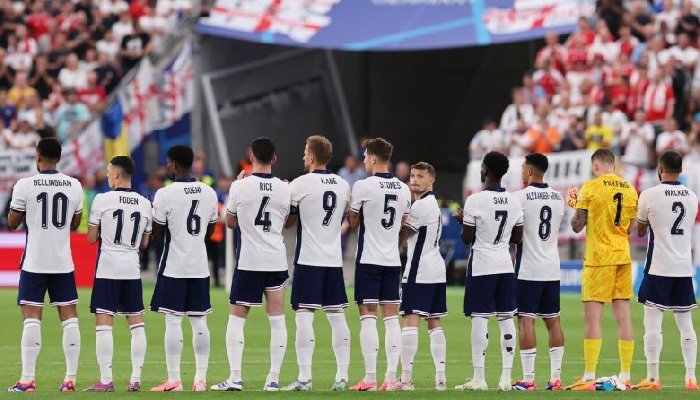 England national football team squad for the 2026 World Cup: Could Foden and Palmer be left out?
 -
 Why did David Beckham retire?
 -
 How much did Arsenal buy Kai Havertz?
 -
 How much did Bayern Munich pay for Harry Kane?